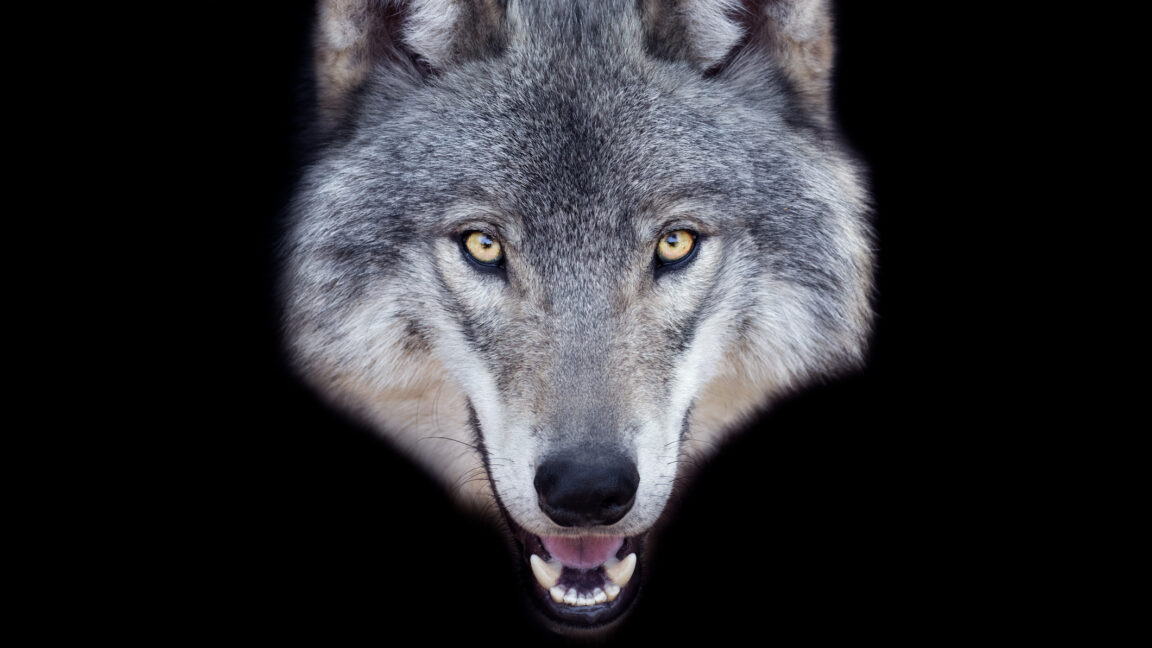
The intersection of generative AI capabilities and criminal liability just shifted into sharper focus. What began as a high-profile wildlife incident—a wolf's escape from a zoo that captivated national attention—has evolved into a landmark case examining how synthetic media weaponizes public trust and strains institutional response systems. The defendant's use of image generation tools to fabricate sightings didn't just mislead the public; it triggered a cascade of resource allocation, emergency protocols, and investigative overhead that governments are now learning to quantify and prosecute.
This case arrives at a critical moment when image generation models like Midjourney, DALL-E 3, and Stable Diffusion have achieved sufficient photorealism to fool casual observers and, more alarmingly, to survive initial institutional scrutiny. The technical sophistication required to generate convincing wildlife photography has dropped dramatically—what once demanded expert-level Photoshop skills and deep domain knowledge now requires only a well-crafted text prompt and basic understanding of model parameters. The defendant apparently leveraged these tools to create multiple synthetic images of the escaped wolf in various locations, seeding them into public channels and triggering coordinated search efforts across multiple jurisdictions.
From an investigative standpoint, the case demonstrates both the strengths and limitations of current synthetic media detection approaches. Federal authorities ultimately identified the fabrications through metadata analysis, cross-referencing image properties, and traditional forensic techniques rather than relying on AI-based detection systems. This gap between generation capability and detection capability is precisely what security researchers have warned about—the asymmetry favors malicious actors who can iterate quickly through generations, while detection systems remain computationally expensive, probabilistic, and often lag behind the latest model architectures. The defendant's case suggests that current detection methods, while functional, aren't yet reliable enough to serve as a primary verification layer for time-sensitive public safety scenarios.
The legal framework being applied here is equally instructive. Prosecutors charged the defendant under statutes addressing false reporting and potentially wire fraud—existing legal instruments retrofitted to address synthetic media crimes. This represents a pattern we'll see repeated as courts grapple with AI-generated content: legacy law applied to novel technical capabilities. The five-year sentence signals that federal courts are treating synthetic media hoaxes with severity, particularly when they trigger resource-intensive public safety responses. However, the legal precedent remains uncertain on several fronts: What constitutes knowing distribution versus negligent amplification? How do platforms bear responsibility for synthetic content they host? What detection standards should institutions implement before responding to visual evidence?
The broader context matters here. Generative AI has democratized content creation in ways that fundamentally break traditional trust models. For decades, photographic evidence carried inherent credibility precisely because image manipulation required specialized expertise. That barrier has collapsed. Every institution that relies on visual verification—law enforcement, wildlife management, emergency response, journalism—now faces a verification crisis. The wolf case is merely the first high-profile prosecution; the infrastructure challenges extend far deeper. How should emergency dispatch systems validate incoming reports? Should there be mandatory synthetic media disclosure requirements for generated content? What role should cryptographic verification (like digital signatures embedded in generation metadata) play in future workflows?
CuraFeed Take: This prosecution feels inevitable in retrospect, but it's also somewhat misdirected. Charging an individual user addresses a symptom while the systemic vulnerability persists. The real issue isn't that someone can generate convincing wolf photos—it's that institutions haven't built verification infrastructure assuming synthetic media is now the baseline threat model. Smart organizations should be implementing multi-modal verification (combining image analysis, metadata validation, cross-source corroboration, and temporal consistency checks), not just prosecuting bad actors after the fact. The platforms hosting these models bear some responsibility here too; while we shouldn't expect pre-generation filtering (the technical and free-speech implications are nightmarish), better provenance tracking and synthetic media labeling could reduce amplification. Watch for two developments: First, expect more prosecutions as law enforcement becomes more sophisticated at detection and attribution. Second, watch for institutional responses—expect governments and large enterprises to invest heavily in synthetic media detection APIs and verification workflows. The companies building reliable detection infrastructure will own a significant market in the next 18 months. The defendant's conviction matters less than what it signals: synthetic media crimes are prosecutable, and institutions that don't adapt their verification processes are exposed.