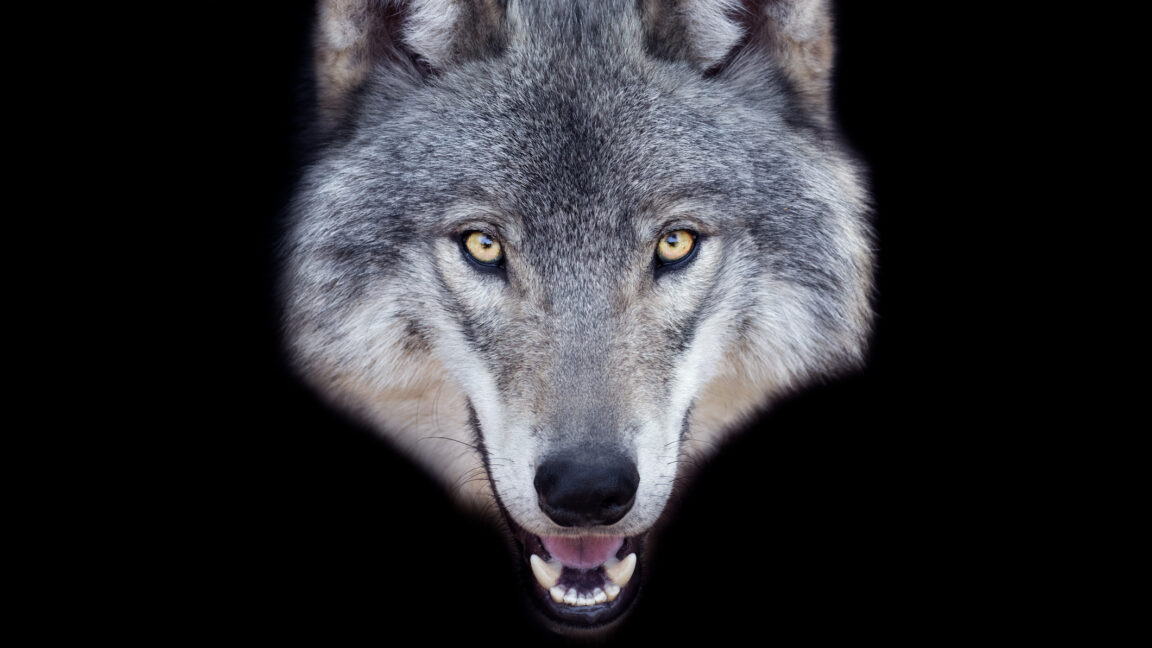
The sentencing underscores an emerging intersection between generative AI capabilities and criminal law enforcement. The defendant leveraged image synthesis technology to fabricate photorealistic wolf sightings during an active search for an escaped animal from a zoo facility. Rather than documenting genuine wildlife observations, the synthetic images were distributed to authorities and the public, misdirecting resources and investigation efforts.
From a technical standpoint, modern diffusion models and generative adversarial networks (GANs) have reached a sophistication level where distinguishing AI-generated wildlife photography from authentic captures requires forensic analysis. The case demonstrates that detection methods—including metadata analysis, artifact detection algorithms, and neural network-based classifiers—remain critical tools for investigators. Law enforcement agencies increasingly rely on techniques such as frequency domain analysis and deepfake detection APIs to authenticate visual evidence.
This prosecution establishes important precedent regarding the criminal misuse of generative AI systems. The defendant's actions violated statutes related to obstruction of justice and filing false reports, but the underlying mechanism—synthetic content generation—represents a novel dimension prosecutors must now address. Developers building AI applications face implicit responsibility to consider downstream misuse scenarios, particularly when their tools could facilitate fraud or public safety interference.
For engineers in the AI space, this case reinforces the necessity of implementing content authentication frameworks, watermarking systems, and provenance tracking within generative applications. Organizations deploying large language models or image synthesis APIs should incorporate safeguards that log generation metadata and flag synthetic content appropriately. As AI capabilities mature, robust governance mechanisms become not merely best practices but legal requirements.