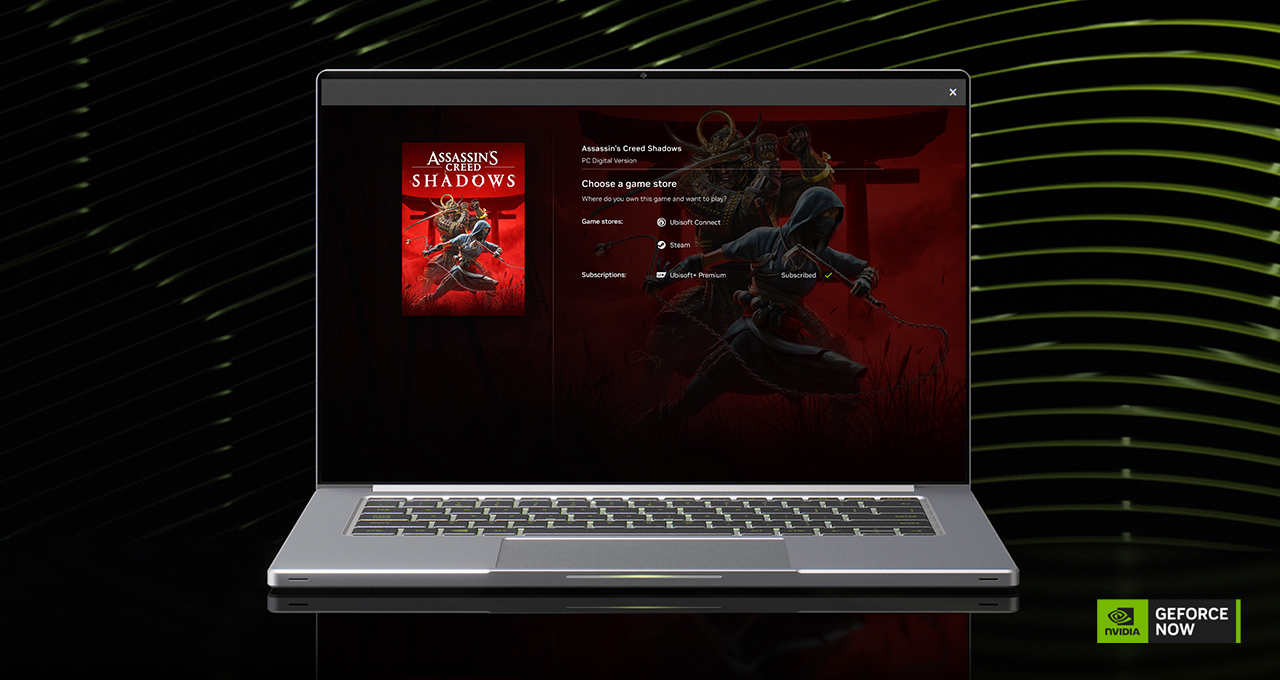
GeForce NOW's latest platform enhancement addresses a critical pain point in cloud gaming UX: content discoverability at scale. By implementing subscription service metadata tags, NVIDIA has created a more sophisticated library indexing system that automatically categorizes games based on their availability across major subscription tiers. This architectural improvement allows the streaming backend to intelligently organize user libraries without requiring manual curation, reducing friction in the game discovery pipeline.
From a technical implementation perspective, the tagging system integrates with NVIDIA's cloud gaming APIs to query subscription service catalogs in real-time. When a user's game library is synced to GeForce NOW's servers, the platform cross-references each title against Xbox Game Pass and Ubisoft+ databases, applying appropriate labels to the game metadata. This approach leverages existing cloud infrastructure while maintaining backward compatibility with legacy library imports. The system architecture supports dynamic updates, so subscription status changes propagate automatically without requiring full library re-indexing.
For developers building on cloud gaming platforms, this enhancement simplifies integration workflows. Rather than implementing custom subscription detection logic client-side, builders can now rely on GeForce NOW's standardized tagging system through the platform's REST APIs. This reduces complexity in game launcher implementations and enables more sophisticated filtering capabilities—developers can now query games by subscription availability, stream availability, and performance tier simultaneously.
The broader implication extends beyond user experience: this tagging infrastructure positions GeForce NOW as a more viable backend for subscription service integrations. By standardizing how subscription content is labeled and indexed across the streaming platform, NVIDIA creates clearer pathways for partnerships with game publishers and subscription providers. The technical foundation also supports future enhancements like predictive library optimization and subscription-aware performance profiling.